
Start Treating Obesity First
Treating obesity first is grounded in decades of clinical evidence and physician leadership. Use these resources to guide your practice.
CME: Enhancing Conversations with Patients to Foster Exercise and an Active Life
Unlock the power of physical activity in obesity treatment. This CME session explores the complex barriers that can prevent patients with obesity from engaging in exercise, including stigma, low self-efficacy, and past negative experiences.
Use code TREATOBESITY
$0.00
Regular Price
$25.00
CME: Challenges and Solutions in the Era of GLP1s
This informative CME session is designed to enhance your expertise in prescribing GLP-1 medications for the treatment of obesity. Delve into the practical aspects of prescribing, navigating potential side effects, and overcoming accessibility challenges.
Use code TREATOBESITY
$0.00
Regular Price
$25.00
Patient Conversation Guide
This patient conversation guide provides practical tools, from the 5A’s framework to real-world conversation starters, to help you assess readiness, address barriers, and collaboratively build personalized treatment plans for your patients.
Press Release: Treating Obesity First
FOR MEDIA: Obesity Medicine Association Launches AI-Powered Patient Simulation Tool to Transform Obesity Care Conversations
Frequently Asked Questions
-
Obesity medicine is a specialized field of medicine focused on the comprehensive care of patients with obesity. Clinicians who practice obesity medicine, called obesity medicine specialists, receive advanced training in understanding the complex causes of obesity, as well as the full range of evidence-based treatments available to address it.
These specialists recognize that obesity is a chronic, recurring disease involving genetics, hormonal regulation, metabolism, environment, and social determinants of health. Obesity medicine specialists are uniquely equipped to diagnose, treat, and manage obesity and its related health conditions. -
The Obesity Medicine Association (OMA) advocates for treating obesity first. And it works.
Rather than focusing on conditions like diabetes or hypertension and viewing weight as an independent issue, OMA clinicians diagnose and actively treat obesity as a primary disease. OMA provides education, resources and networking for clinicians so that they can provide patient-centered care focused on improving overall health, not just numbers on the scale. OMA centers its efforts on the four pillars of obesity treatment:Nutrition therapy
Physical activity
Behavioral modification
Medical interventions
Decades of research have shown that when clinicians prioritize obesity treatment, patients achieve better outcomes and less morbidity from chronic conditions. This approach also promotes long-lasting change by advocating for:
Early intervention: Treating obesity before complications develop
Comprehensive care: Addressing the full picture of a patient's health
Reducing stigma: Approaching obesity with the same compassion and clinical rigor as any other chronic disease
Specialist involvement: Connecting patients with obesity medicine specialists who can provide evidence-based, personalized treatment.
-
Research shows that preventing or treating obesity earlier in life reduces the lifetime risk of type 2 diabetes, cardiovascular disease, and obesity-related cancers.¹ Clinical trials and long-term observational studies also show that weight loss lowers the risk of type 2 diabetes, hypertension, high cholesterol, and cardiovascular events.²
Treating obesity first can also reduce lifetime medication use, hospitalization, and disability.³ What’s more, it can reduce healthcare spending: studies show substantially greater cost-effectiveness when obesity is addressed early rather than after multiple related conditions develop.⁴
-
To look for an obesity medicine specialist, visit obesitymedicine.org.
Real Experts Agree
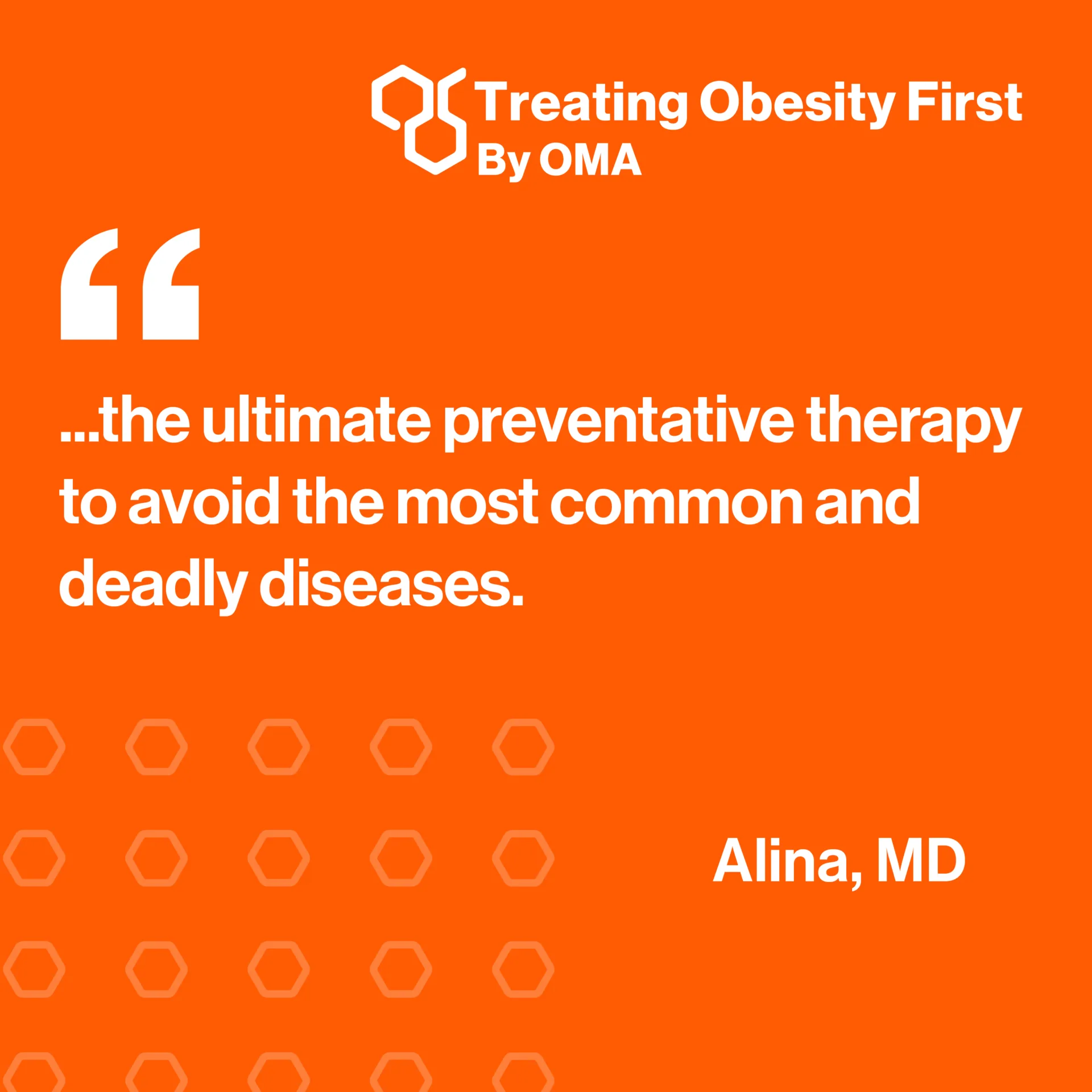
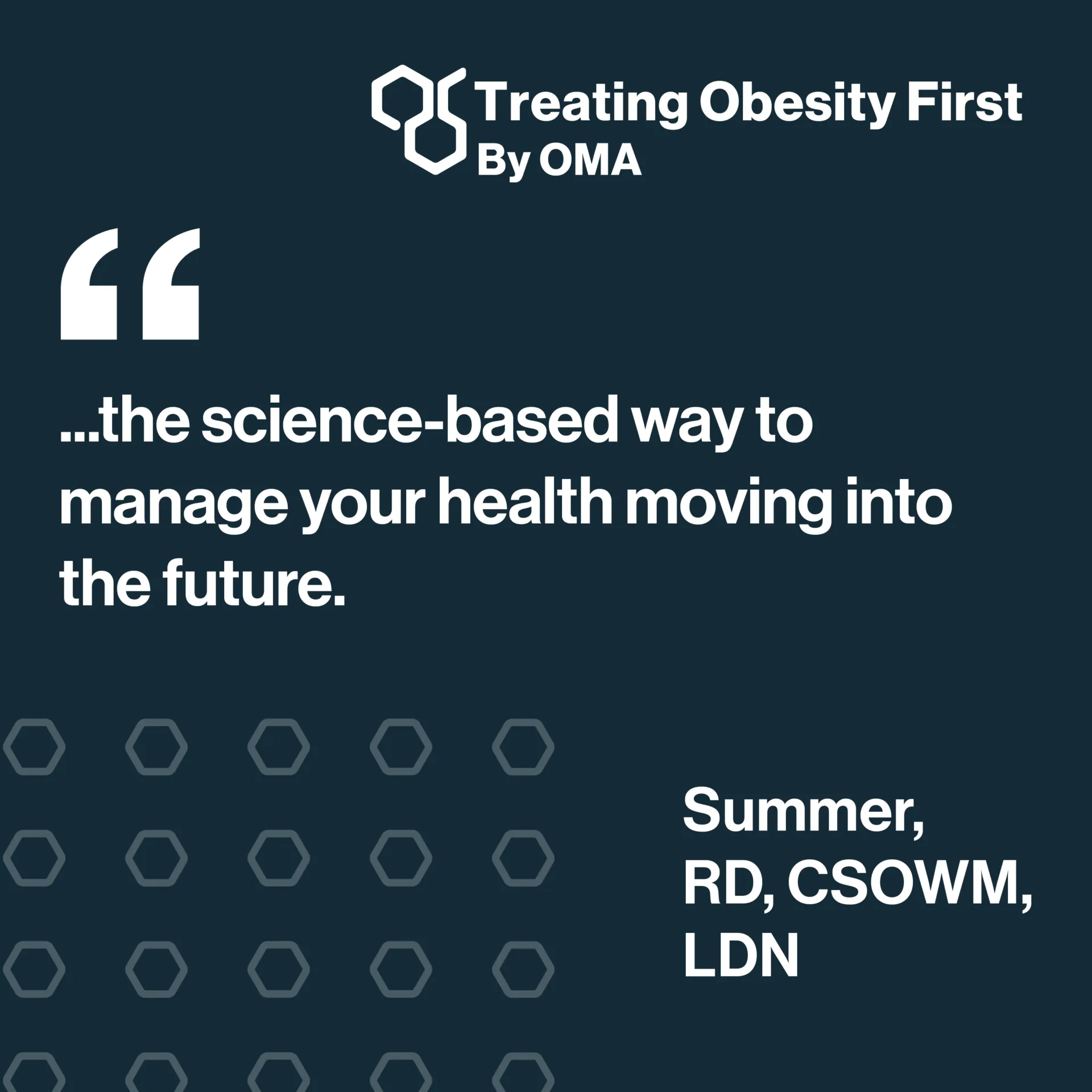
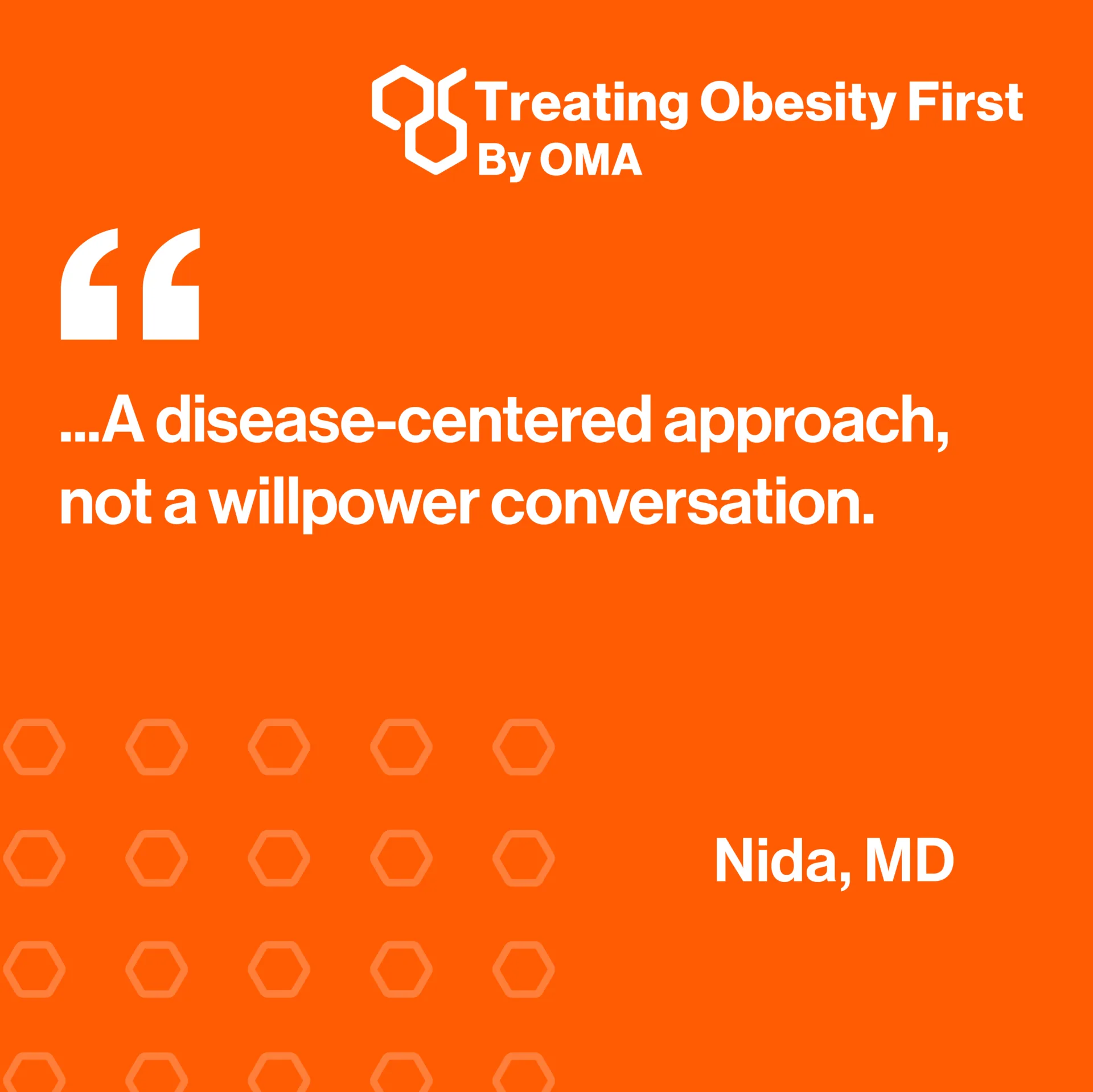
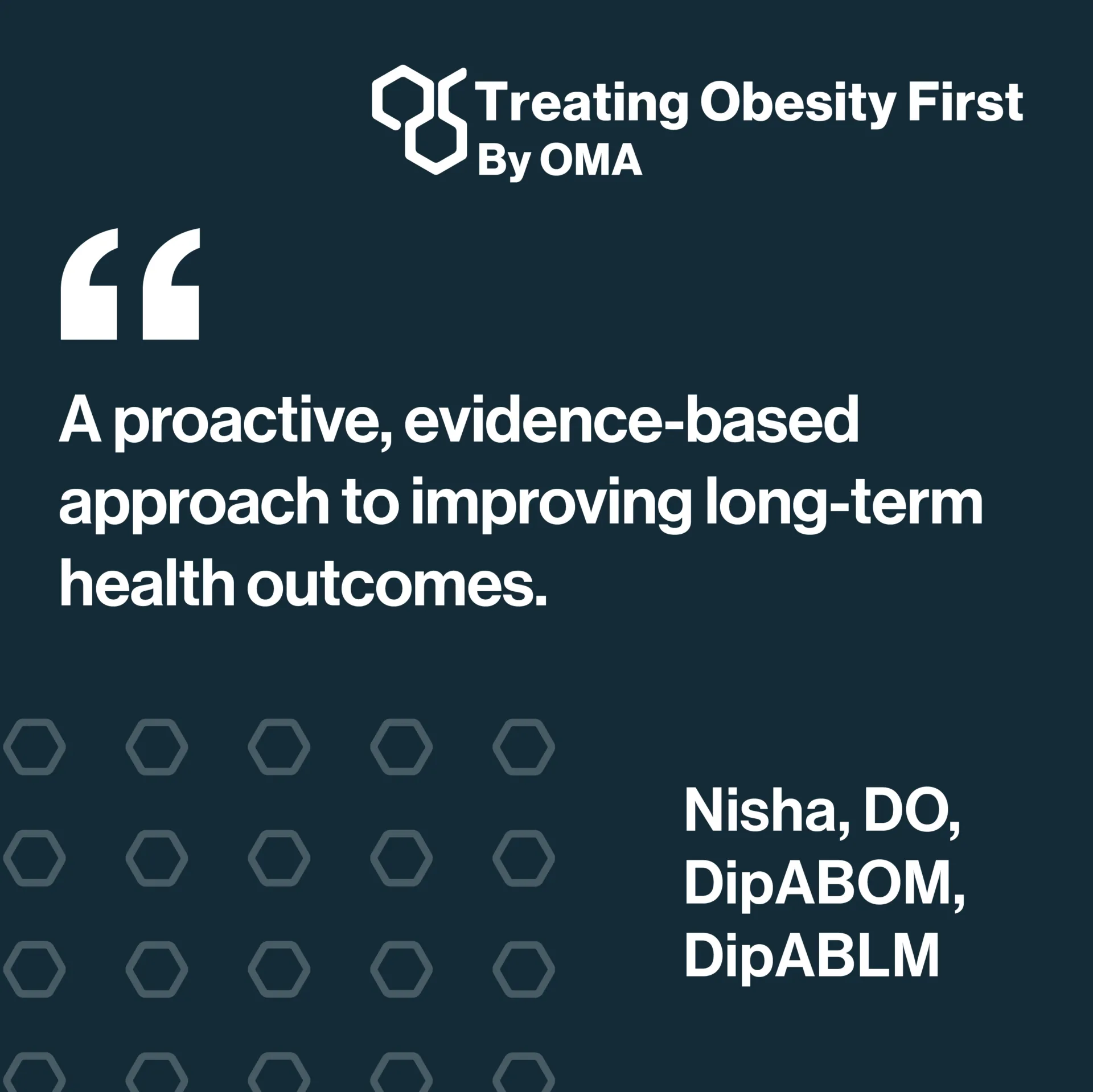
Treating Obesity First is...
Carosel1
Carosel4
Carosel3
Carosel2